 Space Agencies
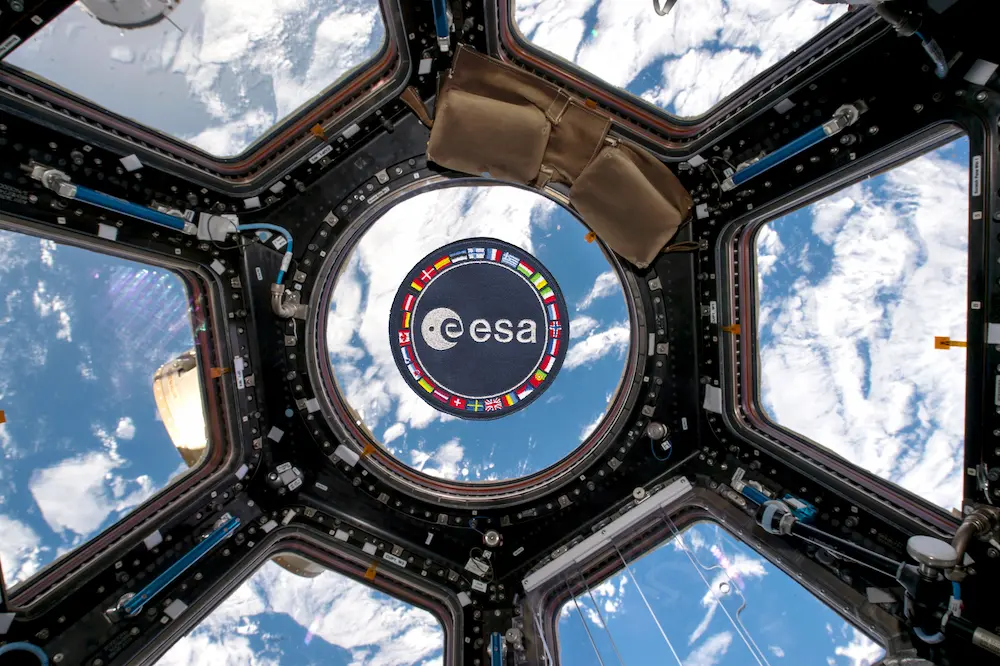
What Is ESA? Europe’s Space Agency Explained
The European Space Agency is Europe’s gateway to space: an intergovernmental organisation created in 1975 to develop a shared space programme for peac…
Read more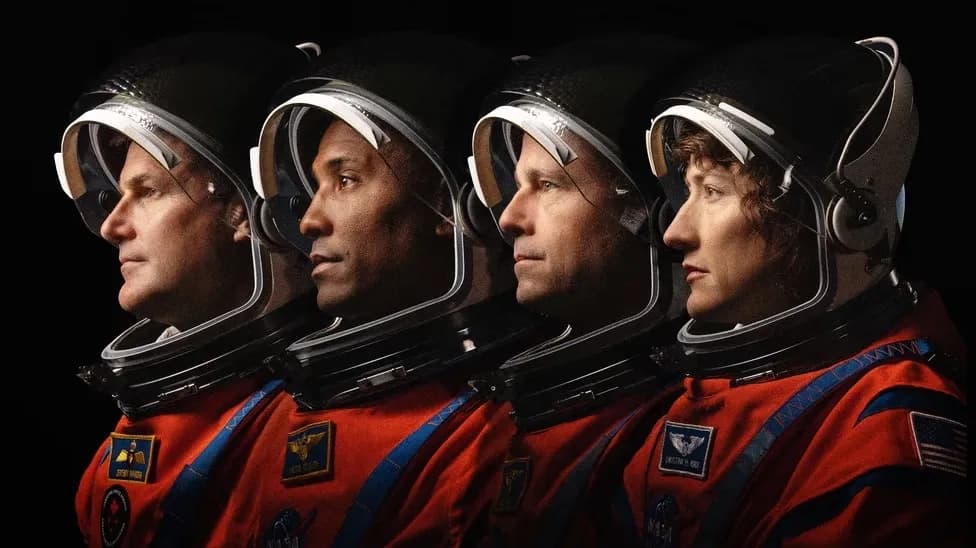
Becoming an astronaut remains one of the most demanding career paths on Earth, and the basic idea has not changed in the Artemis era: space agencies still look for exceptional people who can master complex systems, stay calm under pressure and live productively in extreme environments. What has changed is how that talent is recognised. The route into space is broader than the old test-pilot stereotype suggests, even if the odds of selection are still tiny and recruitment windows remain rare.
Across the major government astronaut corps, several themes appear again and again. Applicants typically need citizenship of the agency’s member state or country, a strong background in science, technology, engineering or medicine, and substantial professional experience. English is central because it underpins international operations, while medical and psychological screening is designed for long-duration missions rather than brief publicity flights. In other words, agencies are not simply choosing brilliant individuals; they are choosing people who can function for months inside a tightly coordinated, multinational machine.
The distinction matters. Government astronauts for agencies such as the National Aeronautics and Space Administration, the European Space Agency, the Canadian Space Agency and Japan Aerospace Exploration Agency are selected for careers that may span years of training, technical assignments and mission support before a single launch ever happens. Commercial spaceflight has widened public imagination, but it has not erased the very specific standards required for orbital and exploration-class missions.
The shared foundation is advanced education and proven performance. NASA’s modern framework is one of the clearest examples: applicants are expected to meet a master’s-or-equivalent academic standard in a relevant STEM field, alongside professional experience or significant jet flight hours, depending on whether they fit more naturally into research or pilot-style profiles. That blend reflects the reality of present-day crews, where spacecraft operations, science and expedition living are inseparable.

ESA places similar weight on academic and professional excellence, but with a few especially visible distinctions. It has publicly emphasised multilingual ability and has stated a height range for astronaut candidates, a reminder that spacecraft design still imposes practical physical limits. Those limits are not cosmetic; vehicle-specific anthropometric fit can affect safety, seating, suit use and emergency procedures. ESA’s astronaut recruitment has also drawn attention for its Parastronaut Feasibility Project, which explored how to widen access to spaceflight for candidates with certain physical disabilities. That initiative did not dilute standards so much as challenge assumptions about which standards are essential and which are inherited from older design choices.
| Agency | Commonly emphasised requirements |
|---|---|
| National Aeronautics and Space Administration | US citizenship, master’s-or-equivalent STEM education, professional experience or jet flight hours, long-duration medical fitness |
| European Space Agency | Citizenship of eligible member states, advanced qualifications, multilingual emphasis, stated height range, long-duration mission suitability |
| Canadian Space Agency | Canadian citizenship, strong education with multiple experience pathways, medical and operational readiness |
| Japan Aerospace Exploration Agency | Japanese citizenship, specialist technical background, rigorous screening and process focus, operational and medical fitness |
The Canadian Space Agency is often seen as slightly more flexible in how it frames education and experience pathways, but that should not be mistaken for leniency. Its selection logic still points toward high-level technical competence and evidence that candidates can work in demanding operational settings. JAXA, meanwhile, is known for a rigorous process with strong focus on technical depth and mission suitability. The differences between agencies are real, yet they sit on top of a common principle: astronauts must be highly capable professionals first, then trainable spacefarers second.
If the published requirements are the visible gate, the real contest begins afterwards. Selection usually moves through application screening, structured interviews, medical evaluations and group exercises designed to reveal how candidates think and behave with others. That last part can be more revealing than any CV. Who communicates clearly when information is incomplete? Who supports a team without dominating it? Who can accept criticism in a confined, high-stakes environment?
Psychological assessment is especially central for long-duration missions. Space agencies are choosing people for isolation, disrupted sleep, cultural diversity and chronic workload, not just launch day glamour. The astronaut ideal today looks less like a lone hero and more like a technically gifted systems thinker with emotional steadiness. That may sound less cinematic, but for missions to the International Space Station, the Orion spacecraft or future lunar operations, it is far closer to reality.
Those who make it through are not immediately mission-ready. Basic and advanced training can stretch over years and covers spacecraft systems, robotics, extravehicular activity training, survival skills and geology, alongside mission-specific preparation. The inclusion of geology is telling: even as human spaceflight becomes more automated, agencies still need crew members who can observe, interpret and respond intelligently in unfamiliar environments. How else do you prepare people for the Moon, and eventually beyond?

The modern astronaut corps is becoming more inclusive, but not easier to enter. ESA’s Parastronaut Feasibility Project captured a wider shift across the field: agencies are reassessing legacy assumptions while keeping safety and performance at the centre. At the same time, the rise of international exploration architectures has increased the value of resilience, adaptability and cross-cultural collaboration. The astronaut of 2026 is expected to move comfortably between engineering detail, scientific reasoning and the social demands of living in orbit with international crewmates.
Still, a reality check is essential. Selection rates are typically well under 1%, and major recruitment campaigns are infrequent. Many outstanding applicants will never get a class date simply because the number of available seats is so small. That scarcity is one reason myths persist. People imagine a secret shortcut, a perfect degree, a magic military background. In practice, there is no single template. Agencies recruit from overlapping pools of scientists, engineers, doctors, pilots and other highly skilled professionals, then narrow that field according to mission needs, vehicle constraints and cohort balance.
So what does it take to qualify? Start with the non-negotiables: citizenship, elite academic preparation, substantial experience, English fluency and the ability to meet strict medical and psychological standards for long-duration human spaceflight. Then add the qualities that are harder to certify on paper but increasingly decisive: teamwork, composure, curiosity and the rare ability to stay functional when the stakes feel cosmic. That combination, more than any old astronaut cliché, is what the major space agencies are really searching for now.
Space AgenciesThe European Space Agency is Europe’s gateway to space: an intergovernmental organisation created in 1975 to develop a shared space programme for peac…
Read more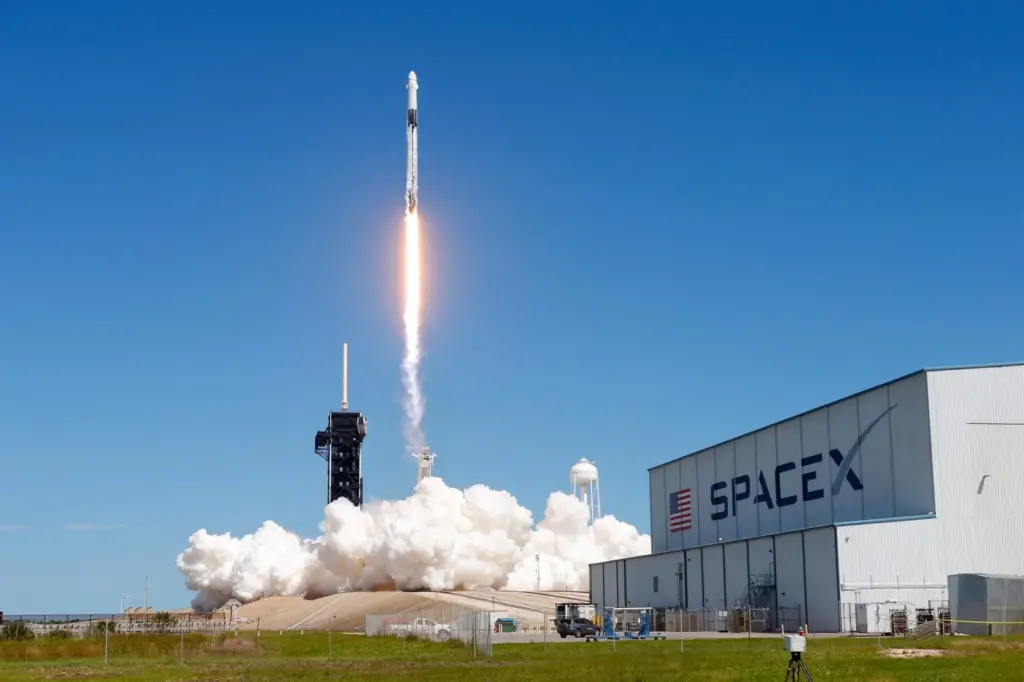 Space Agencies
Search for “NASA vs SpaceX” and you will quickly run into a false choice. These are not rival versions of the same organisation. They exist for differ…
Read more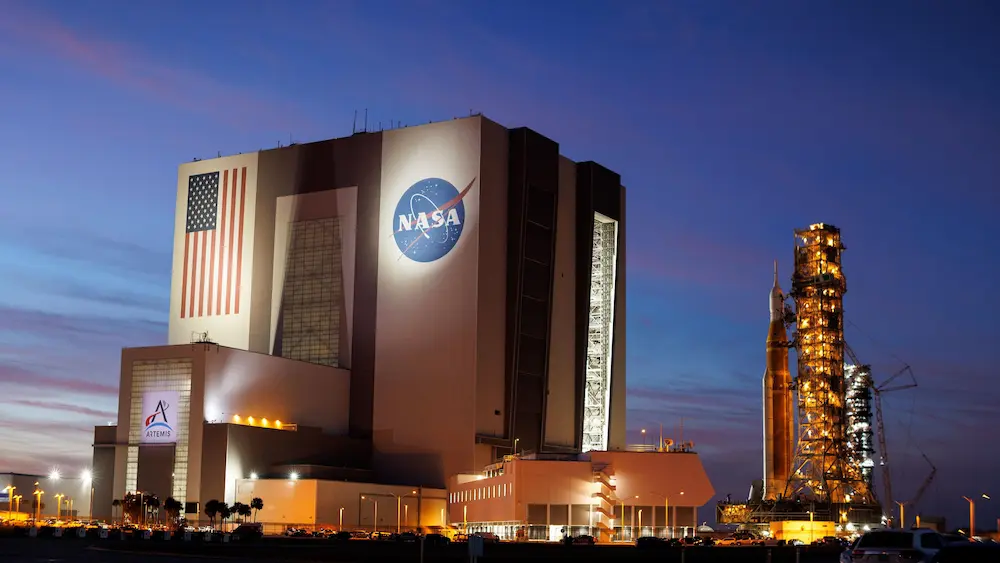 Space Agencies
How does NASA go from a bold concept on paper to a spacecraft on the pad? Behind the iconic launches and deep-space discoveries, the National Aeronaut…
Read more