 Missions
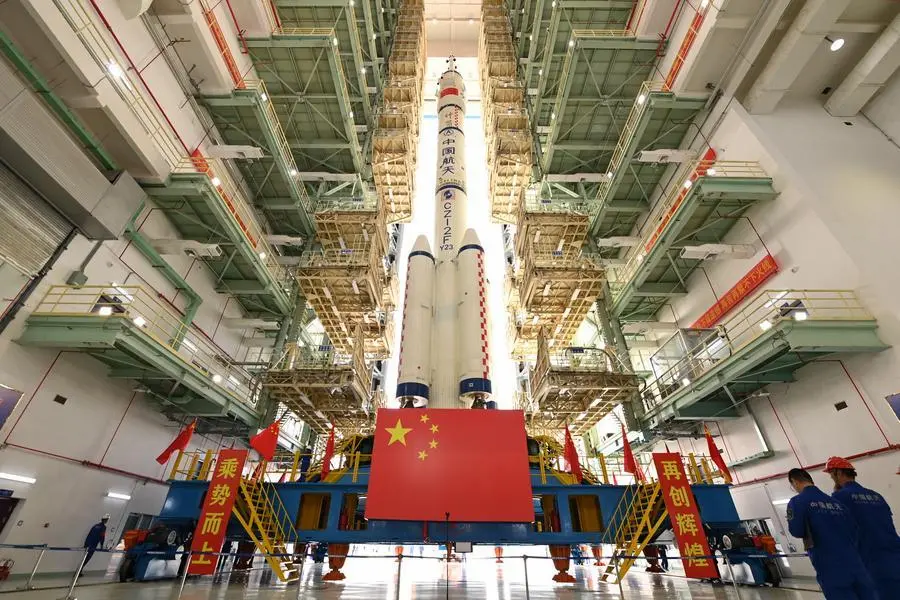
Shenzhou-23 marks China’s first planned year in orbit
China has launched the Shenzhou-23 crewed mission to the Tiangong space station, and the headline detail is hard to miss: one of the three astronauts …
Read more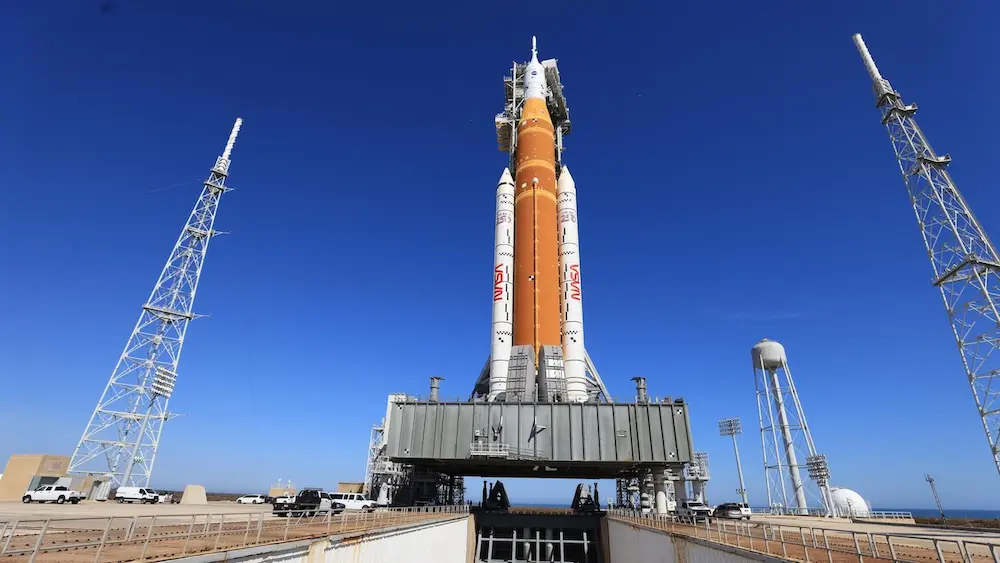
NASA’s Artemis campaign has moved the story of lunar exploration into a new phase. After Artemis II carried astronauts around the Moon as the first crewed flight of the programme, the central question is no longer simply whether humanity can return. It is how that return can last.
That is the real break from Apollo. Those earlier missions proved that humans could reach the lunar surface, work there briefly and come home. Artemis is aimed at something more ambitious: building the systems, partnerships and operational experience needed for a sustained presence on and around the Moon, while using that hard-won knowledge to prepare for the first crewed journeys to Mars.
NASA frames this as a Moon to Mars strategy, and the logic is compelling. The Moon is close enough for missions to be attempted, tested and refined without the punishing distance of Mars. If engineers want to validate life-support systems, radiation protection, power generation, surface mobility and landing technologies for deep-space expeditions, where better to do it than on a world just days away rather than months?
That makes Artemis II more than a symbolic loop around our celestial neighbour. It marked the first crewed use of NASA’s new deep-space transportation system, anchored by the Space Launch System rocket and the Orion spacecraft. Together, they are designed not for a single heroic moment, but for a campaign.
The science case for Artemis is strongest at the lunar south pole, where permanently shadowed craters are thought to hold water ice. That single detail reshapes the whole conversation. Ice on the Moon is not just scientifically tantalising; it could become infrastructure. If future explorers can turn that ice into drinking water and rocket propellant, the Moon stops being merely a destination and starts becoming a resource base. Making rocket fuel from moon ice sounds like science fiction, yet it sits near the heart of the Artemis vision.

The south pole also offers access to ancient terrain that may preserve clues to the early Solar System. NASA describes the Moon as a 4.5-billion-year-old time capsule, and that is more than poetic branding. Unlike Earth, the Moon has not erased much of its early history through weather, oceans and plate tectonics. Human explorers, working alongside robotic systems, could investigate geology that speaks to the evolution of Earth, the planets and even the Sun.
For Mars planning, this matters in a different way too. Artemis is supposed to show whether crews can live and work productively in deep space for longer periods, using local materials where possible and relying on increasingly capable hardware. The aim is not to rehearse Apollo with newer cameras, but to learn how to operate far from Earth in a way that is routine, resilient and scalable.
| Artemis element | Role in the campaign |
|---|---|
| Space Launch System | Heavy-lift rocket that can send Orion, astronauts and cargo directly to the Moon in a single launch. |
| Orion spacecraft | Crew vehicle that carries and sustains astronauts to the Moon and back to Earth. |
| European Service Module | European Space Agency contribution providing electricity, water, oxygen, nitrogen, thermal control and propulsion for Orion. |
| Human Landing System | Commercial lunar landers that ferry crews from lunar orbit to the surface and back. |
| Gateway | Small lunar-orbiting space station supporting surface missions, science and deeper-space exploration. |
| Commercial Lunar Payload Services | Commercial deliveries of science and technology payloads to the lunar surface. |
| Spacesuits and rovers | Surface systems for exploration, field science and sustained operations outside the spacecraft. |
Artemis is often described mission by mission, but its real significance lies in how the pieces fit together. Orion carries the crew, while its European Service Module, built through the European Space Agency, acts as the spacecraft’s powerhouse. ESA says it provides electricity, water, oxygen and nitrogen, while also helping keep Orion at the right temperature and on course. That European-built section is not peripheral hardware; it is essential to keeping the spacecraft alive.

Then comes the wider architecture. The Human Landing System will take astronauts from lunar orbit down to the surface and back. Gateway, NASA’s planned small station around the Moon, is meant to function a little like a lunar train station for Mars: a multi-purpose outpost supporting surface missions, science in lunar orbit and future exploration farther out. Add commercial cargo deliveries through the Commercial Lunar Payload Services initiative, new spacesuits and surface mobility systems, and the outline of a permanent operational ecosystem comes into view.
NASA has also reshaped the campaign’s sequence. According to the agency’s current architecture, Artemis III is now planned as a low Earth orbit demonstration of one or both commercial landers, while Artemis IV remains the first Artemis lunar landing target in early 2028. That detail matters because it underscores the programme’s priorities: demonstration, validation and repeatability before sustained surface operations begin in earnest.
Is that slower than the old Moon-race rhythm? In one sense, yes. But it also reflects a different ambition. Apollo was built to arrive first. Artemis is being built to keep going.
That change is visible in the coalition behind it. NASA established the Artemis Accords with the U.S. Department of State and seven initial signatory nations in 2020. The accords are non-binding principles, grounded in the Outer Space Treaty, intended to guide civil exploration of the Moon, Mars, comets and asteroids for peaceful purposes. They emphasise transparency, interoperability, emergency assistance, registration of space objects, scientific data release, heritage protection, responsible use of space resources, coordination to avoid harmful interference and debris mitigation.
By April 2026, the U.S. Department of State listed 63 signatories, while NASA’s Artemis page said the accords had grown to more than 60, showing how quickly this diplomatic framework has expanded. The broad direction is unmistakable: Artemis is becoming a political and industrial coalition, not just an American programme with foreign guests.

That broader participation matters for practical reasons as much as symbolic ones. ESA is providing the European Service Module and contributes to Gateway. NASA’s Artemis pages also point to international and commercial partnerships across the wider campaign, alongside the involvement of agencies such as the Canadian Space Agency and Japan Aerospace Exploration Agency. On the industrial side, companies are developing lunar landers, delivery services and other critical systems. NASA explicitly links Artemis to an expanding space economy, new industries, job growth and demand for a highly skilled workforce.
There is another difference from Apollo, and NASA has made it central to the programme’s identity: Artemis is meant to land the first woman and the first person of colour on the Moon. That does not alter the physics, but it does alter the meaning of who deep-space exploration is for.
So when Artemis talks about returning to the Moon, it is really talking about something larger: turning brief visits into an enduring human presence, learning how to live farther from Earth, and building the international habits that a Mars expedition will demand. The Moon, in that sense, is not the end of the journey. It is the proving ground where humanity learns how to stay.
MissionsChina has launched the Shenzhou-23 crewed mission to the Tiangong space station, and the headline detail is hard to miss: one of the three astronauts …
Read more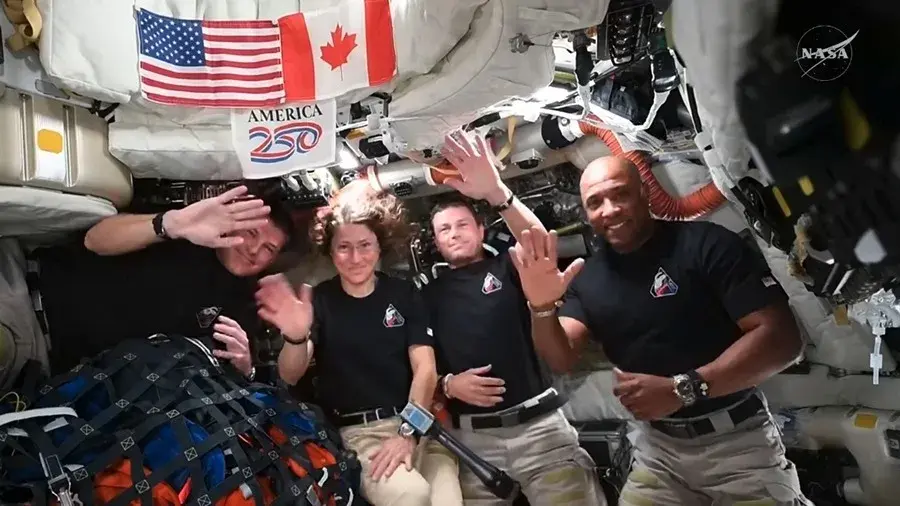 Missions
What does daily life look like when four astronauts leave low Earth orbit and head around the Moon? With NASA’s Artemis II now completed after launchi…
Read more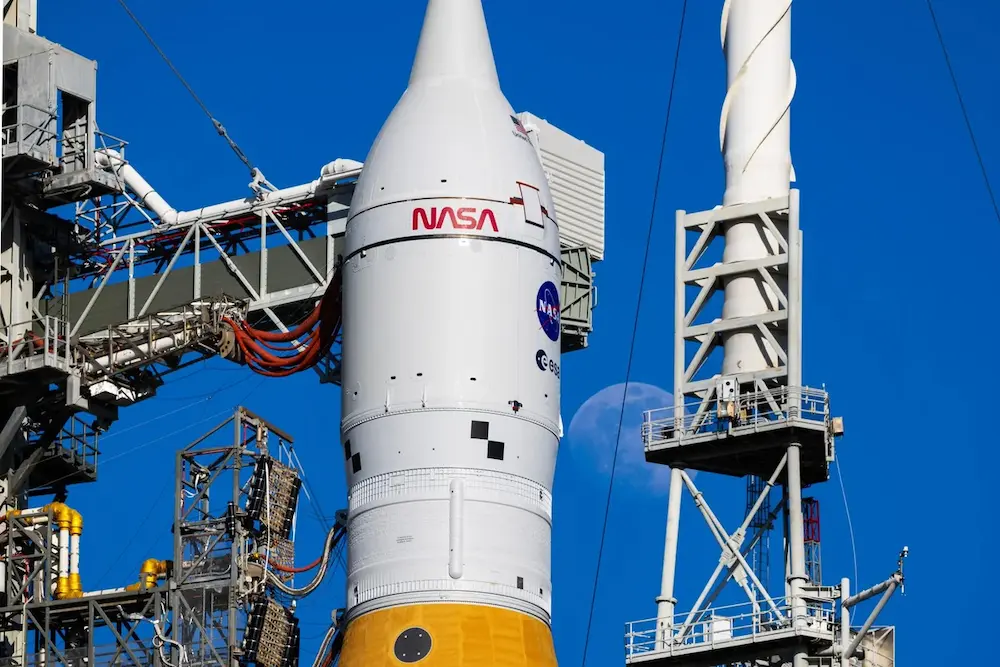 Missions
NASA has now offered its clearest public sketch yet of Artemis III, and the headline is a major shift: this mission is currently being shaped as a cre…
Read more